Magnetic resonance-based eye tracking without camera
OpenMReye is a growing ecosystem of open-source computational tools for MR-based eye tracking for research and clinical applications.!
The tools reconstruct gaze behavior from the MR-signal of the eyes, even in existing datasets, and when the eyes are closed.
Tool 1: DeepMReye
Decoding gaze position from eye-voxel patterns. The Paper, Code, Data
& User Documentation are all open access!
Tool 2: HMMeye
Eye voxel-based event segmentation. The Paper & Code are open access!
Tool 3: MReyeMove
Unsupervised reconstruction of (putative) eye movements. The Code is planned for release in June 2026 (Paper in prep).
Additional resources
Here are a few Tips & Tricks for improving eye-tracking quality in neuroimaging environments.
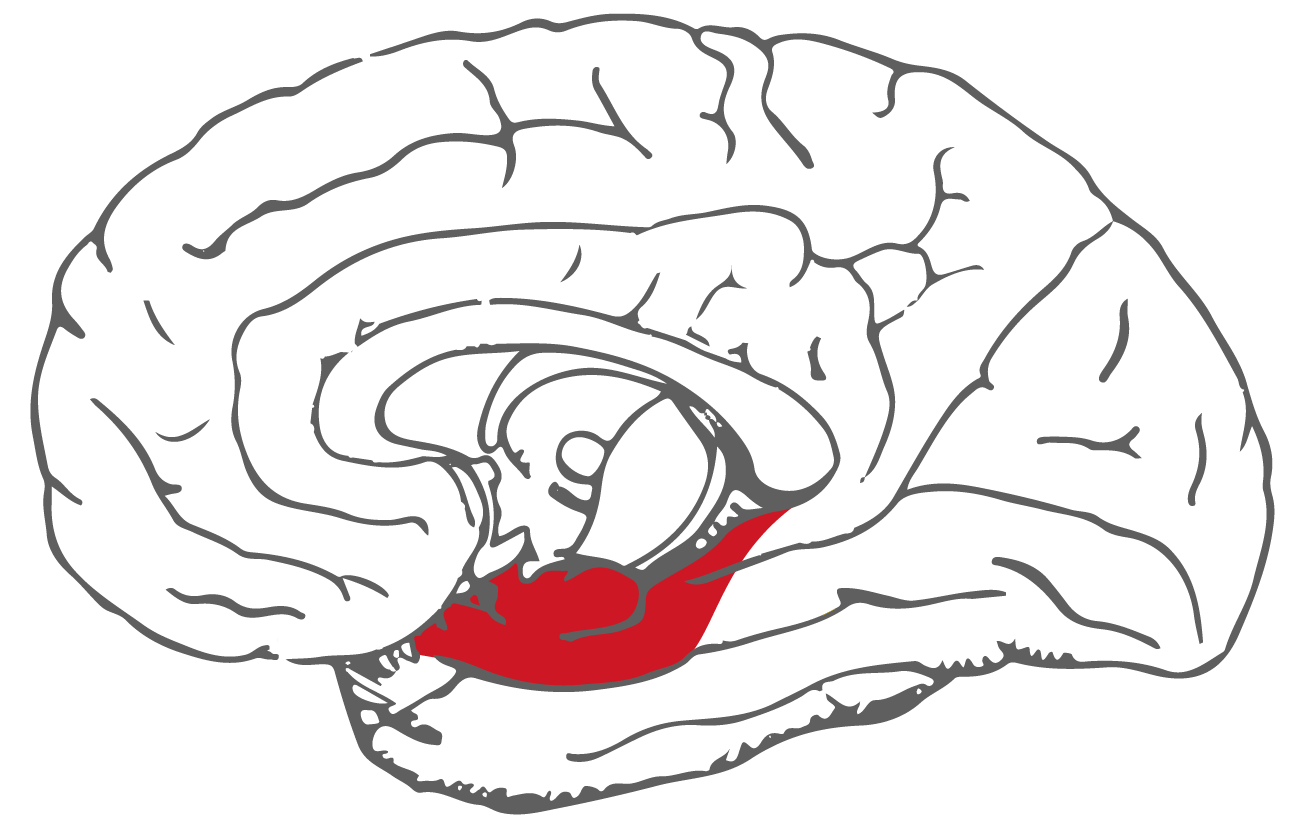
Functional imaging of the human medial temporal lobe.
A neuroscientist's guide to fMRI pulse sequence optimization
The medial temporal lobe (MTL) is difficult to image with fMRI due to magnetic field inhomogeneities and low signal-to-noise ratios.
Here, I compiled some information about fMRI pulse sequences and how they affect your data, along with a few tips on how to get a good signal in the MTL.
Find it here on Open Science Framework!
Behavioral encoding modeling
This code creates, fits & tests an encoding model of virtual head direction using simulated fMRI voxel time courses.
It can be easily adapted for other behavioral domains & imaging techniques (MEG, 2p-imaging...) to study the neural underpinnings of behavior across species.